Welcome to my new series about creativity, called A Creative Life Podcast.
In Episode 1, we explore how and why privacy and good boundaries may support the ambitious work you want to create.
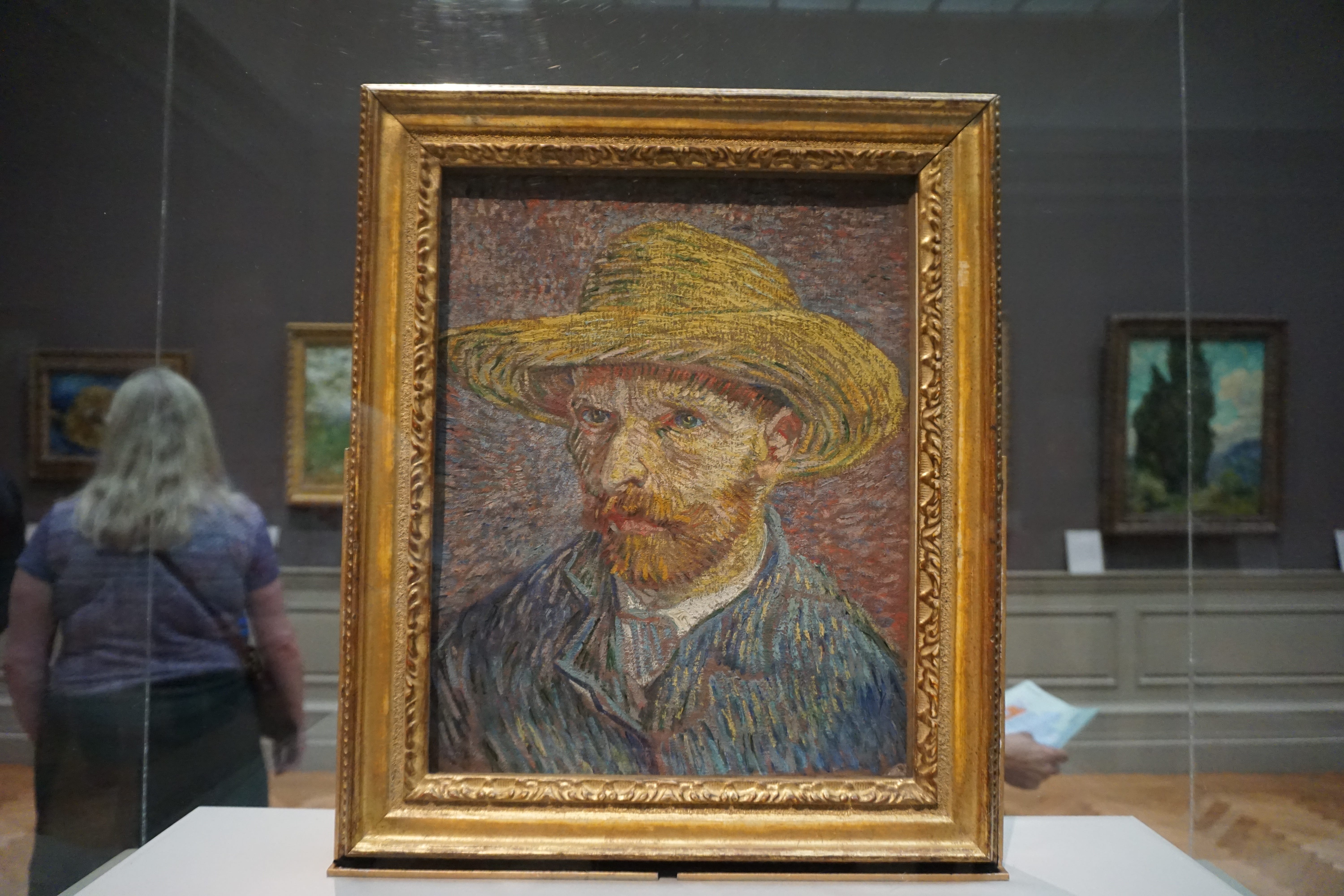
The last time I visited ‘the Van Gogh Room’ at the Metropolitan Museum of Art, in New York City, I walked in and found a dozen elementary school kids sitting on the parquetry floor. They sat with their legs crossed staring up at Vincent Van Gogh’s paintings, holding clipboards and coloured pencils, and listened to their teacher who stood behind them and whispered quiet instructions.
I felt awed and inspired. I feel raw and open in galleries anyway. The work speaks to me loudly and privately. When their teacher stopped talking, the kids went to work. At the Met, the feeling of being with art, this art, is magnified. I wondered if those kids could feel the non-verbal communication with the paintings that I felt, and if being here inspired a creative crackle in their fingertips, or hindered it. After all, whether creating in a room full of masters, or in a forest, or in an empty room, what matters is being somewhere where they feel comfortable being creative. And if that was here, in an art class for kids at the Met, would they think back someday to sitting in this room, on the herringbone parquetry floor, and remember how inspired they were?
I took a walk across Central Park that evening and found my way to a quiet café, with just my notebook and a pen. I thought about how I used to create when I was a little kid. I would sit cross-legged on the carpet in my parent’s lounge room, and use the top of my large stationery box as my desk. While my parents and brother watched TV, I filled scrapbooks with notes and drawings to document my day (they were my first journals) and I wrote down the characters and stories in my head (that was my first fiction). It was so normal to me, and I was so prolific, I’m told, that my father coined the term ‘churning out’ to describe this. As in, “There she goes again,” he’d say. “Churning out.”
This sounds like I was creating in public, but I wasn’t. It was far from it. My parents didn’t read or critique my stories unless I asked them to. I liked it that way, and over the years I enjoyed creating in private. I need to be free of distraction and early feedback. I need focus.
But my inner five-year-old jumped with glee seeing those kids sitting on the floor, that day, at the Met. But I wondered, if it had been me sitting there, would I have been the one sitting on the far end? Or in a row behind, holding my arms around my work so no-one could see? It’s the same now. I understand the gravitational pull to post to social media, but I know I have to be careful with all of that. I’ve learned to share my work-in-progress with very few people. I need focus and time until it’s ready.
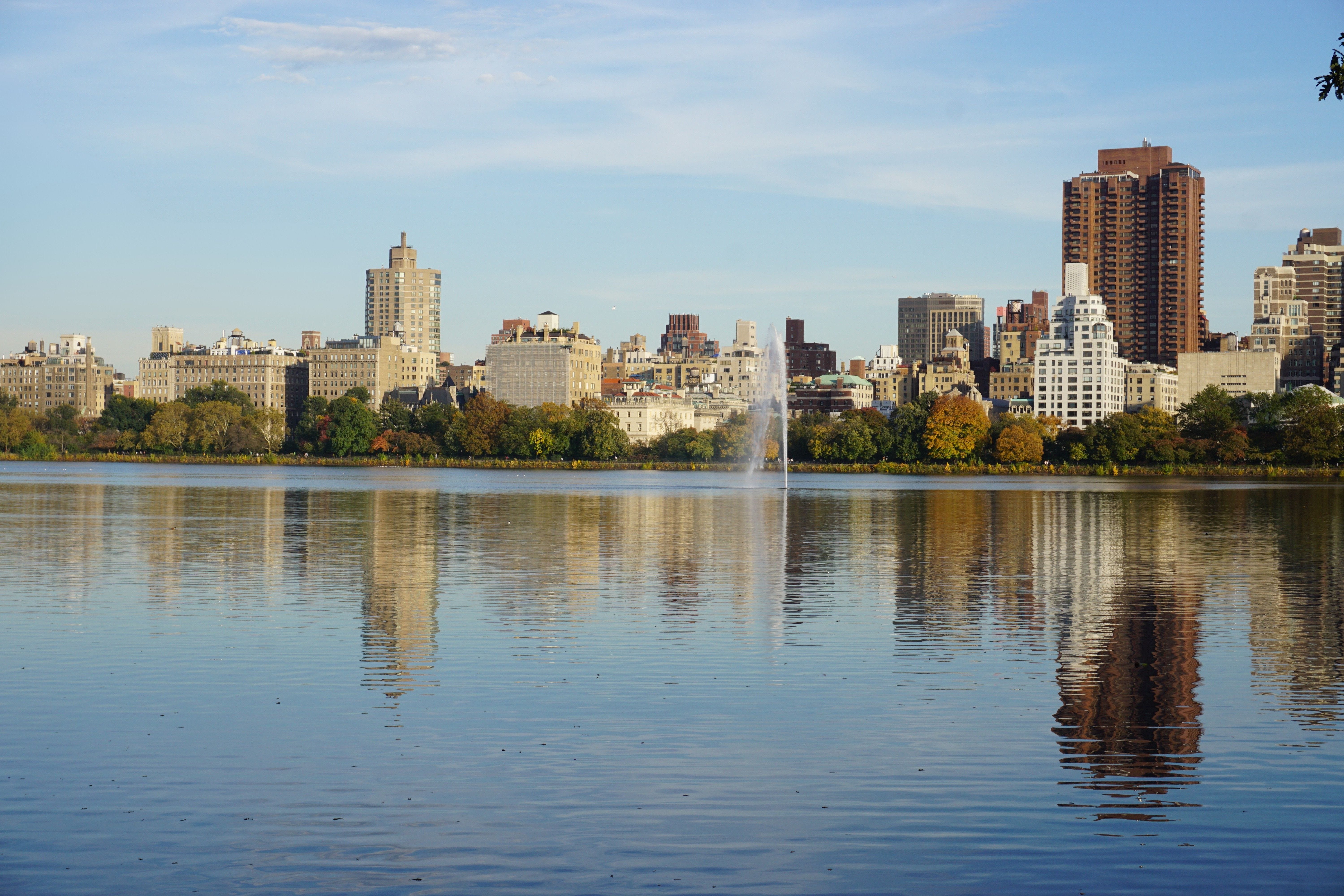
Building a boundary of privacy is the emotional safety structure I’ve learned to erect. I need it if I want to deep dive my creative Mariana Trench. A calm, safe place is the emotional downline to get to the terrifying, shameful and impossible questions inside me. Writers and artists are changed in those cold, dark waters. And quiet is the armour we need to hunt leviathan.
I like to think that when I get fearful, and stuck in the boat on the surface, I can return to my childhood memories of my own chewed and split coloured pencils, and how they ignited a creative fire in my fingertips. Creating was easy then, as a kid. As effortless as pushing myself to-and-fro on a swing in the park. But I know holding a creative state as an adult is more complex. We simply have more stuff. More doubt. More perilous emotional dives. Recalling a warm childhood memory, or sailing through rooms of other people’s art, no matter how inspiring, is not enough. Creating a fully accomplished project isn’t effortless. It’s work. It requires determination and goals, dedication and resilience.
That’s the difference between long Saturday afternoons, sitting on the carpet in my parent’s loungeroom, ‘churning out’, as a kid, and the creative work I do now. It is work. But the foundation is the same. If the crackle in my fingertips dims, I remember I need a protected space where there’s no pressure, and no expectation. Just me and the creative force.
Next Month — November’s Newsletter: The Robots Are Here, Why Should We Create?
Next month I’ll discuss why humans need to keep creating in a world saturated by AI-generated content. I’m writing a novel about a man trapped inside a robot’s body, it’s called Machine City 2050, so I’ve researched and thought a lot about this. I’ll also be sharing my thoughts on Ishiguro’s masterpiece Klara and the Sun.
Until next time…
Thank you for reading, and please let me know your thoughts about being creative. If this piece reached you, and you’d like more of it, please consider subscribing. It’s free, and the door is always open to thoughtful creative people like you. Until next time, I wish you a wonderfully creative few weeks. And see you in the comments. Bye for now. – Marilyn.
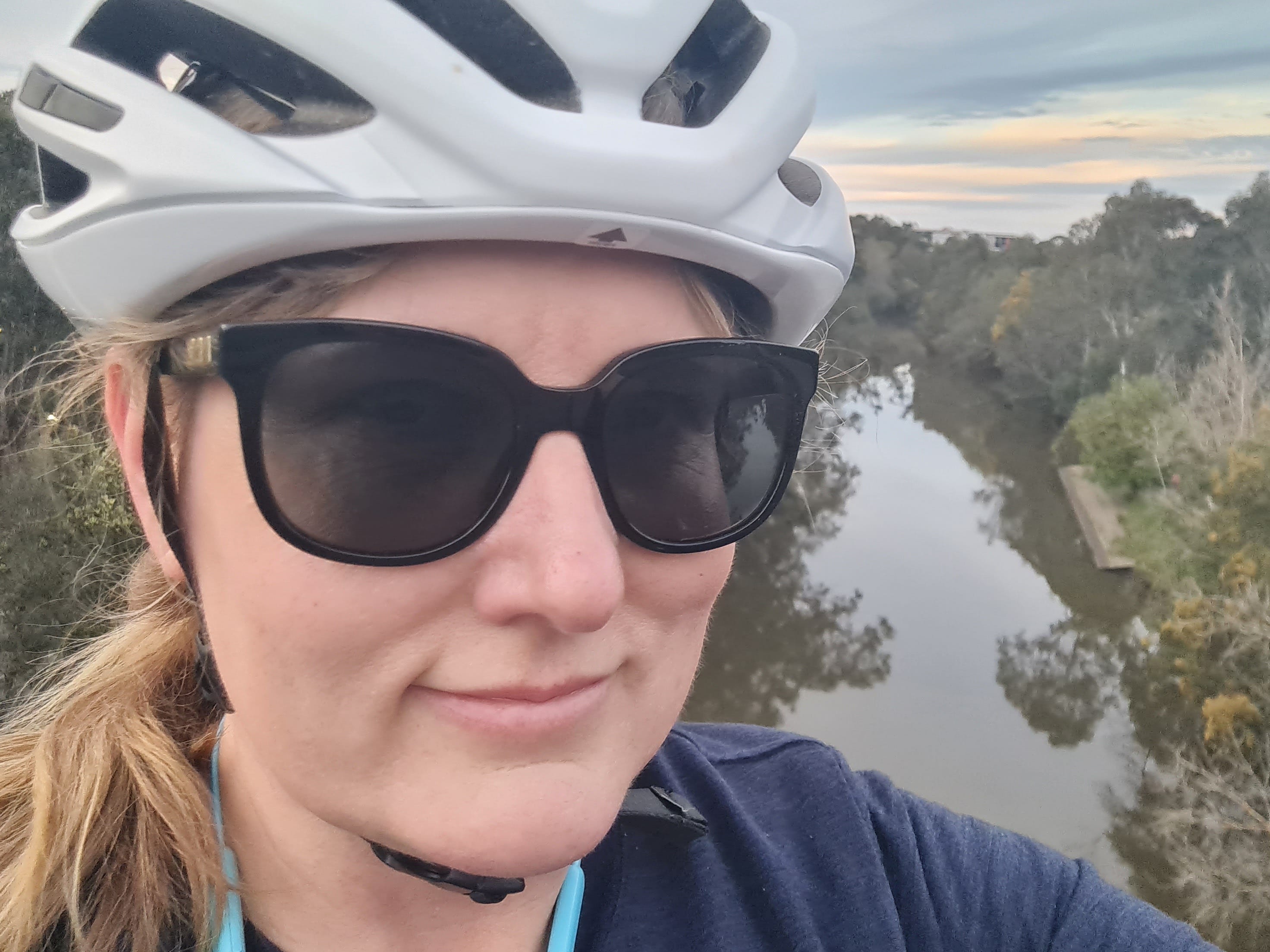
Podcast thumbnail image credit: Gino Severini, Dancer = Propeller = Sea (1915), The Metropolitan Museum of Art
Reproduced from my Substack: https://marilynmiller.substack.com/p/what-do-you-need-to-create-episode
 Studio Practice For Writers