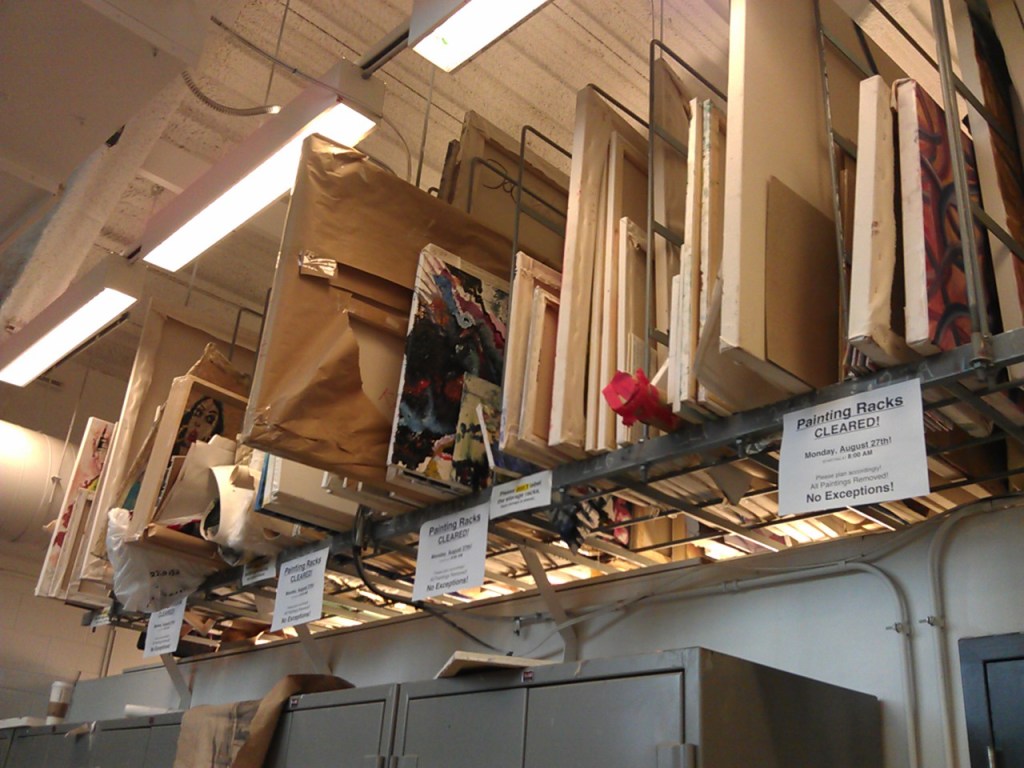
What is a Studio Practice for Writers? And what is a studio practice?
A studio practice for artists refers to the structured and often habitual way in which an artist approaches their creative work within a dedicated workspace. It encompasses the routines, materials, techniques, research methods, and conceptual frameworks that shape the artist’s creative output. A strong studio practice involves not just making art but also engaging in reflection, experimentation, skill development, and professional organization.
Key Elements of Studio Practice for Artists
- Physical Space – A designated studio or workspace that supports the artist’s creative needs.
- Materials & Tools – The specific media, tools, and resources used to produce work.
- Creative Process – The methodologies an artist follows, including ideation, sketching, prototyping, and final execution.
- Routine & Discipline – A schedule or workflow that ensures consistency and progress.
- Research & Experimentation – Engaging with art history, theory, and contemporary practices, as well as exploring new materials or techniques.
- Documentation – Keeping track of ideas, progress, and completed works through journals, sketchbooks, photography, or digital archives.
- Critical Reflection – Self-evaluation, critique, and refinement of work over time.
- Professional Development – Networking, exhibiting, marketing, and managing the business side of an artistic career.
In contemporary discussions, studio practice often extends beyond just physical making—it includes conceptual work, interdisciplinary approaches, and even digital or performance-based exploration. The term is also used in art education to describe how students develop their creative methodologies.
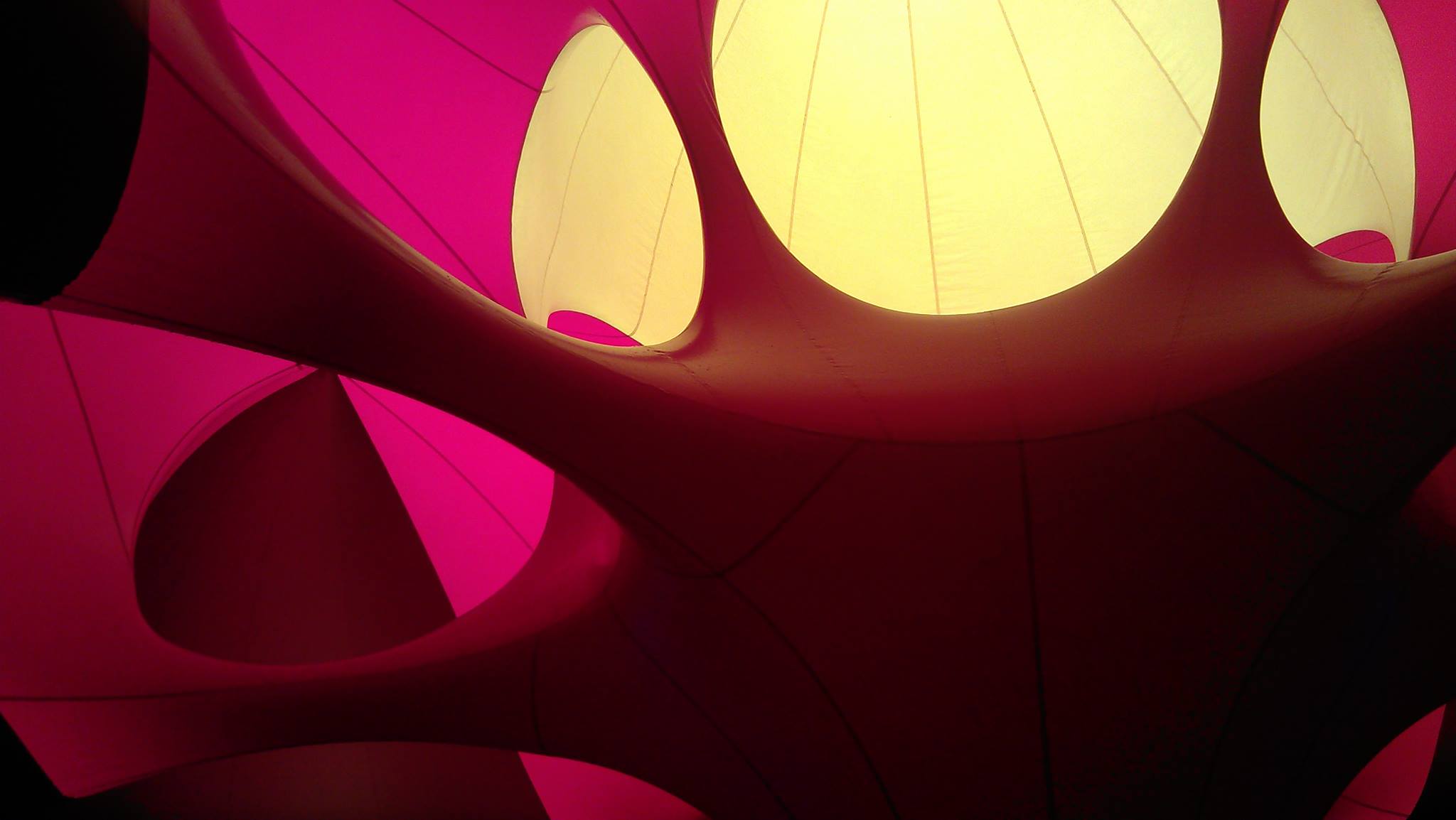
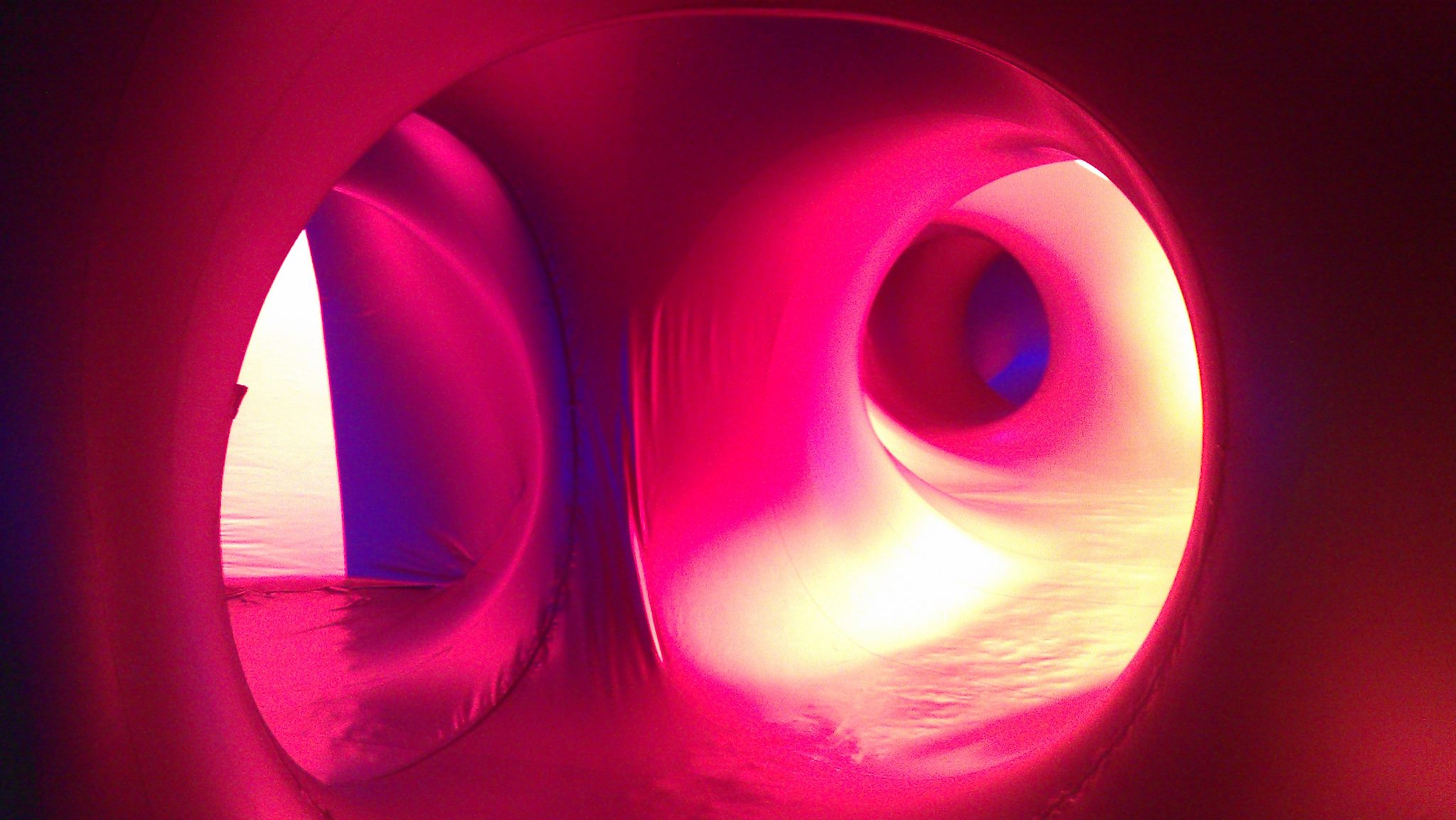
Images below: 2014 Exhibit at the National Gallery of Victoria, Australia, and me.



 Studio Practice For Writers